
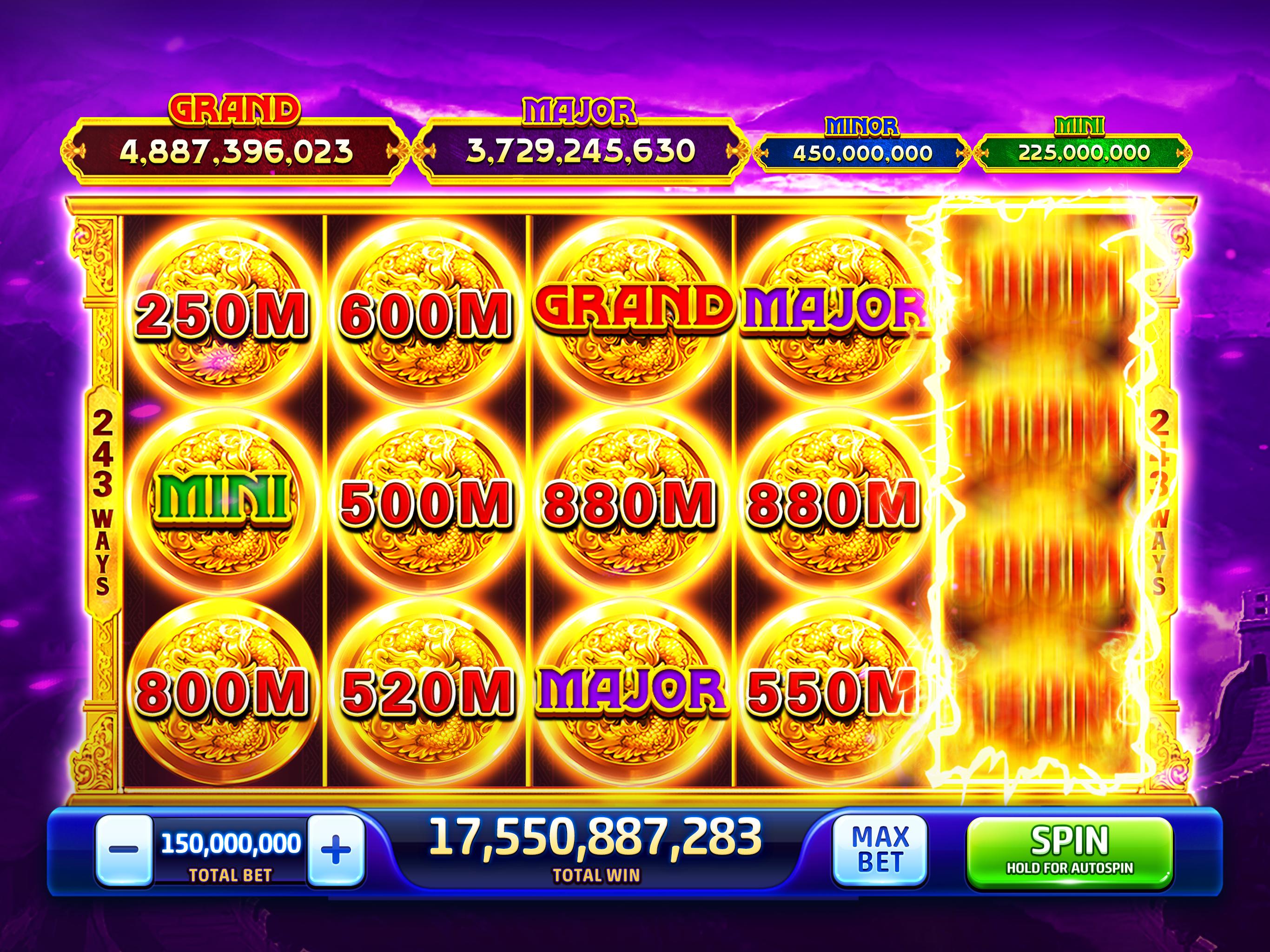
A fresh development is happening in yoga studios across the UK. In the quiet minutes after a class, you might spot someone looking at their device, not checking social feeds, but playing the Fluffy Favourites online slot. This unusual combination of deep mindfulness and light digital play is turning into a common feature of today’s wellness routine.
The Crossroads of Mindfulness and Today’s Entertainment
Wellness culture frequently advises us to put away our phones, but people are finding a middle ground. After a session of deliberate breathing and exercise, the mind occasionally needs a distinct form of rest. It’s not utter stillness, but a switch to a different activity. A couple of minutes with a vivid, straightforward game like Fluffy Favourites offers that mental shift, a mental palate cleanser between phases of deep concentration.

This marks a transformation in our perspective on self-care. Wellness isn’t only about discipline and denial anymore. It can include a slice of undemanding fun. For many, the leap from organized meditation to freeform play sharpens both activities. The mind refreshes more successfully with this variation than with total stillness.
You see this most in city studios where timetables are packed. Someone finishes a powerful Ashtanga session, has ten minutes before a sound bath, and fills that gap with this digital interlude. It’s a down-to-earth way to feel good, utilizing different methods consecutively to influence your mood.
Understanding the Fluffy Favourites Slot Appeal
Fluffy Favourites is a popular online slot, famous for its adorable theme and uncomplicated design. The game is designed for easygoing fun. The visual style is gentle and reminiscent, featuring plush toy animals like pandas and elephants against a cheerful, cloud-filled sky.
The gameplay is easy. You’ll find no intricate rules or demanding decisions to consider. This simplicity is why it suits a short break. Play for a couple of minutes without studying any tactics or investing emotion, which renders it a handy tool within a larger wellness plan.
Main Aspects of the Game
Several design choices show why it works in this setting. The colours are all soft colors and soft hues, which appear calming to look at. The audio is lively but soft, with no jarring sounds that could shatter a peaceful mood.
The symbols and motions are whimsical and friendly. The main “Toybox” bonus round enables players pick toys to reveal prizes, a system that feels satisfying without being intricate. Together, these elements form a virtual space that appears separate from job pressure or heavy thinking.
This slot has no narrative to pursue or leaderboard to aim for. You have no pressure to attain anything. This lack of long-term goals suits a limited break ideally. You may pause at any moment without abandoning a task half-done, making it simple to return to your next wellness activity.
In what way the “Yoga Break” Tradition Manifests
Such a scenario commonly happens in the gap between a yoga class and what follows, or throughout a longer workshop break. Participants put away their mats, take out their devices, and select a few spins on a familiar game instead of diving into the overwhelming world of social media feeds.
It is a private, personal way to decompress. The game acts as a psychological buffer, a shift from the inner focus of yoga to the socialising in the café later. Teachers see it as a regular self-directed habit instead of something they organise.
- A Bridge Buffer: It forms a link from deep mindfulness back to casual socialising.
- Controlled Input: It gives steady soft engagement, in contrast to the chaotic digital feed.
- Private Practice: For many participants, it’s a private repeated component of their well-being routine.
- Non-competitive: None social pressure or scoring are involved, keeping the break calm.
The practice often involves a consistent pattern: mat rolled up, phone out, maybe headphones in. This pattern acts as a signal to de-stress. The individual remains in the studio’s calm space, but their focus wanders to a online game designed for fleeting consequence-free delight.
Comparing Relaxation Modalities: Yoga vs. Gaming
Yoga and casual slot gaming exist on opposite ends of the relaxation spectrum. Yoga is active and disciplined, seeking mind-body connection through breath and movement. It’s intentional, often aimed at goals like flexibility or peace. The engagement is physical and turned inward.
The relaxation from Fluffy Favourites is inactive and comes from outside. It requires little effort and offers distraction. Your focus turns outward to colourful graphics and simple outcomes. This stark difference is why utilizing them in sequence functions for some people.
- Yoga: Dynamic discipline, inward focus, mind-body connection, goal-oriented.
- Casual Slot Play: Passive engagement, outward focus, distraction-based, no goals.
- Combined Effect: The sequence uses active calming followed by passive mental release, which can enhance overall relaxation.
Think of it like a meal. Yoga is the healthy main course for well-being. The brief gaming interlude is a small dessert, offering a different kind of satisfaction. One doesn’t cancel out the other. They address our basic need for variety in how we unwind and stimulate our minds.
The dichotomy fulfills an emotional purpose too. Yoga’s self-improvement angle can sometimes bring subtle pressure. The slot game, with its complete lack of any improvement agenda, provides permission for pure, pointless fun. It can erase any lingering performance anxiety from the yoga session itself.
Mental Perspectives on Cognitive Switching
Experts see benefit in planned mental breaks. Ideas like “attention restoration” propose that effortless, pleasant stimuli can help restore our capacity for focus. A game like Fluffy Favourites, with its simple, captivating visuals, does the job.
Switching from the physical state of yoga to a task demanding minimal thought stimulates various parts of the brain. This can prevent the mental fog that sometimes comes after focusing on one thing for a prolonged time, making you feel more alert for the next activity.
This isn’t about checking out entirely. It’s about transitioning to a less demanding mode of attention. It allows the brain regions taxed by physical coordination relax, while lightly activating the visual and reward centres. The result is a better break than just gazing blankly.
The Function of Gentle Reward Systems
Slot games function on intermittent rewards, providing small, regular wins. In a quick, limited session, these trigger minor releases of dopamine. This creates a hint of gentle pleasure without the severity of serious gambling. That subtle positive feeling can counteract any residual physical tiredness from the yoga.
The essential point is that, performed quickly and casually, this remains in the realm of play. The goal isn’t money. It’s the safe thrill of anticipation and a likely reward, which can lift your mood before you head back to reality. The actual size of any win is irrelevant.
This extrinsic, random reward is not at all like the inner rewards of yoga, such as inner calm or physical achievement https://fluffyfavourites.eu.com/. That contrast is helpful. The brain appreciates the diversity, so going back to aware or social activities appears less like an duty and more like a new choice.
Thoughts for Moderate Engagement
This trend shows creative leisure mixing, but it needs awareness. The break’s main job is rejuvenation. Setting firm limits on time and money is crucial to make sure the game supports your well-being instead of chipping away at it.
Wellness coaches suggest treating the game like a cup of tea or a short stroll—a planned, timed pause. It shouldn’t become the break’s main event or encroach on time for mindfulness or conversation. Paying attention to your own habit-forming tendencies matters too.
Setting Healthy Boundaries
Keeping things balanced involves simple steps. Use a timer to cap your play at a few minutes, so the break doesn’t disappear. Money-wise, stick to bonus features or set a fixed, tiny loss limit to ensure it’s a leisure expense, not a financial one.
Above all, it should feel like a conscious choice. If the game starts to feel like a urge or brings frustration, it’s lost its purpose as a relaxing interlude. The ritual only works if it’s controlled, voluntary, and short.
Here are some useful strategies for setting those boundaries:
- Pre-commitment: Decide on a time limit (say, 5 minutes) and a spending limit (maybe £1 maximum) before you even open the app.
- Environmental Cues: Keep your phone on silent and put it away the second the timer goes off.
- Alternative Breaks: Mix it up. Some days, swap the game for reading or gentle stretching to avoid forming a fixed routine.
- Self-Check-ins: Ask yourself now and then: “Does this still feel like a fun choice, or has it become automatic?”
These steps help ensure the activity stays a tool you use, rather than one that uses you. The aim is to preserve the integrity of your wider wellness journey.
Frequently Asked Questions
Can you explain the Fluffy Favourites slot game?
Fluffy Favourites is a popular online slot game with a soft toy animal theme. It’s known for its pastel colours, easy gameplay, and aspects like the “Toybox” bonus. Its design focuses on mild, low-stress fun, which has established it a go-to for light, short play sessions.
Why would someone play a slot game after a yoga class?
People use it as a mental buffer. After the deep focus of yoga, a few minutes of easy play helps the mind shift gears before heading to daily life. It delivers light, distraction-based unwinding that contrasts strongly with the disciplined mindfulness of the prior activity.
Is this combination not inconsistent to wellness principles?
Today’s idea of wellness involves holistic balance, which can make room for balanced digital fun. The apparent inconsistency is often the whole idea. The sharp contrast between activities can help the mind reset more effectively. The key is intentional, controlled use where the game acts as a brief tool, not a major activity.
How do ensure this habit remains healthy?
Set strict limits. Use a three-minute timer. Choose money—only use free spins or a minor, fixed amount you’re happy to lose. Treat it as a conscious short break. If it feels obsessive or causes any negative emotion, stop. The activity must feel like a decision, not a need, to be helpful.
Do risks associated with this trend?
Any gaming has potential risks if you don’t set boundaries. The main risks are that it supplants more restorative breaks like quiet reflection or talking with friends, and that it could turn into a habitual, longer play session. For anyone with a history of gambling issues, even casual play is not suggested.
Would yoga instructors endorse this practice?
Instructors don’t normally promote or endorse gaming. Most see it as a personal choice students make on their own time. The general philosophy tends toward non-judgment, emphasising that students should develop self-awareness about what genuinely supports their own sense of balance.


